Pivot_Point
Pivot Point
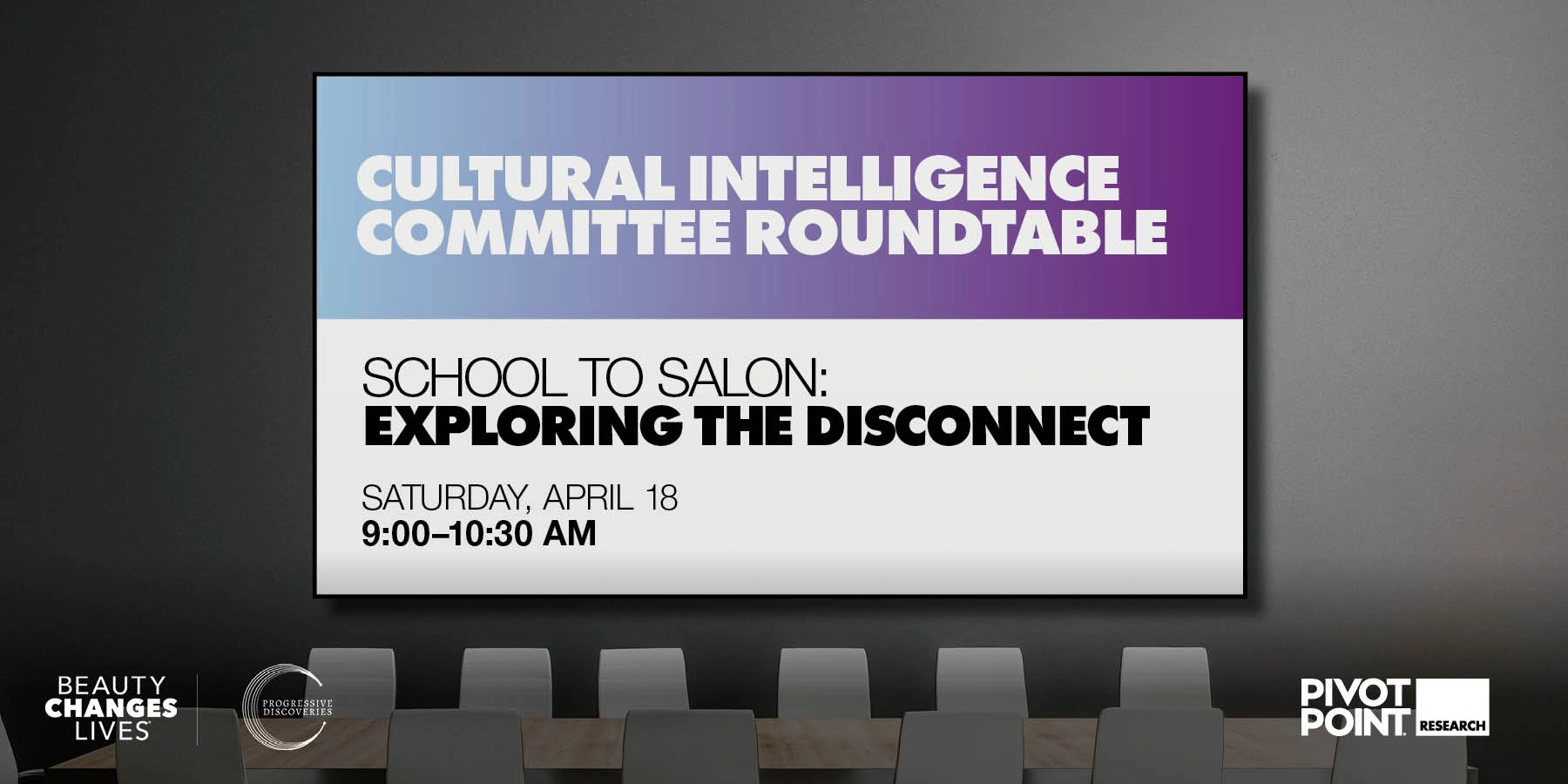
Beauty School to Salon: Industry Leaders Discuss the Critical Transition Gap
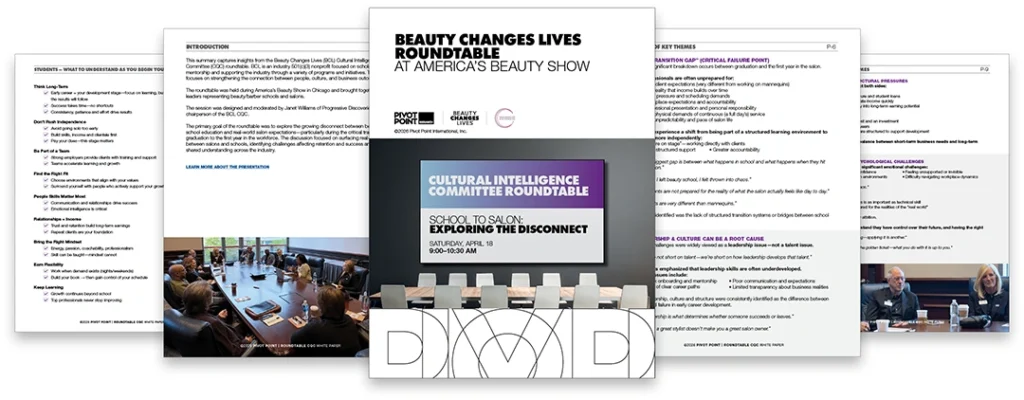
A roundtable hosted by Beauty Changes Lives at America’s Beauty Show explored the growing disconnect between beauty school education and real-world salon expectations — and what the industry can do to better support new professionals entering the workforce.
Key Takeaways
- The largest breakdown often happens during the first year after graduation
- Technical skills alone are no longer enough for long-term success
- Structured mentorship and onboarding are critical for retention
- Social media is reshaping expectations around career growth and income
- Greater alignment between schools, salons, and industry organizations is needed
The beauty industry continues to face a major workforce challenge — not simply attracting talent, but successfully transitioning new professionals from school into long-term salon careers.
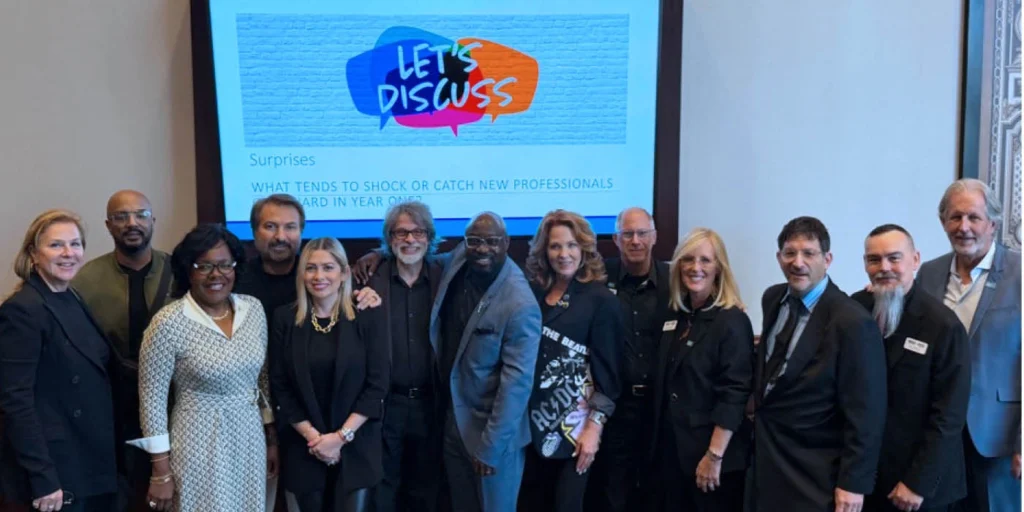
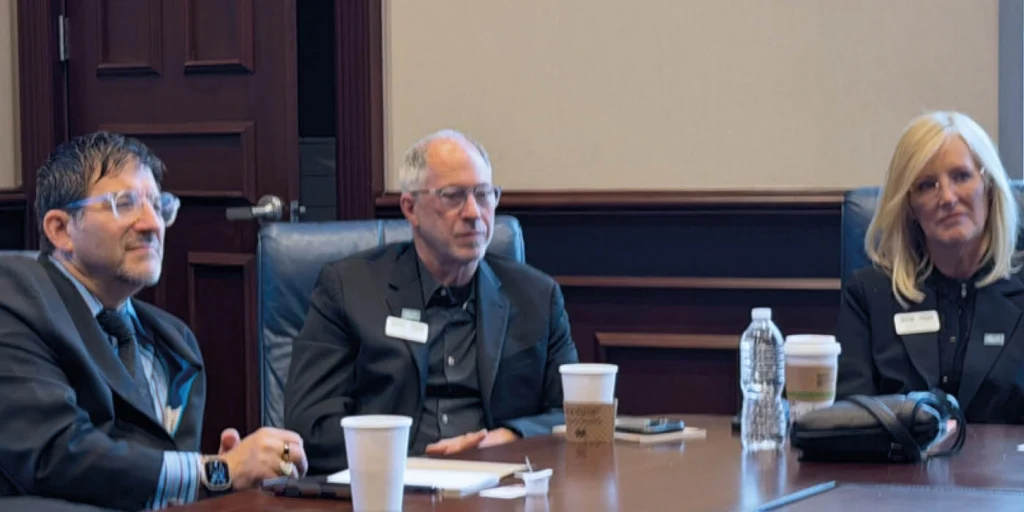
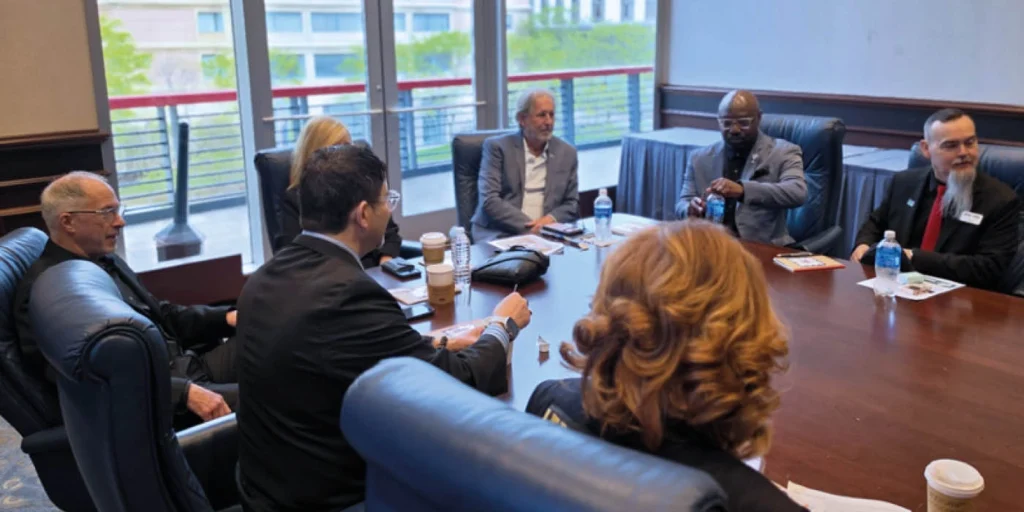
That challenge was the focus of a Beauty Changes Lives Cultural Intelligence Committee roundtable held during America’s Beauty Show in Chicago. The discussion brought together beauty and barber school leaders, salon owners, association representatives and industry professionals to examine the growing disconnect between classroom preparation and salon reality.
Designed by Janet Williams of Progressive Discoveries, the roundtable centered on one key question:
How can the industry better support students during the critical first year behind the chair?
Participants agreed that the issue extends far beyond technical education. Early-career success increasingly depends on communication, leadership, mentorship, emotional readiness and stronger alignment between what students experience in school and what salons expect in practice.
“The industry is not simply facing a talent shortage; it is facing a transition and support challenge.”

The Biggest Disconnect: School vs. Salon Reality
One of the clearest themes to emerge from the discussion was the growing gap between the structured environment of beauty school and the fast-paced demands of salon life.
Schools are helping students develop foundational technical and creative skills, but many graduates enter the workforce unprepared for the realities of productivity expectations, client retention, time management and workplace communication.
Many graduates are entering the workforce technically trained but professionally underprepared.
Participants noted that students, educators and salon owners often define “career readiness” differently. Many students expect rapid independence and financial success, while salons frequently expect immediate contribution and adaptability.
This misalignment can create frustration on both sides during the earliest — and most vulnerable — stage of a beauty professional’s career.
The Critical Transition Happens After Graduation
Roundtable participants emphasized that the largest breakdown often occurs after graduation, during the first year of employment.
Students move from a structured learning environment into a high-pressure workplace without a consistent bridge, onboarding system or support structure to guide them through the transition.
The first year behind the chair emerged as the industry’s most vulnerable transition point.
Without clear expectations, coaching or mentorship, many new professionals struggle to adapt to salon culture, client demands and the pace of the industry.
Why the First Year Is So Difficult for New Professionals
The conversation also highlighted the emotional, financial and cultural pressures many new beauty professionals face immediately after entering the workforce.
Emotional Readiness Matters
Many new professionals are teenagers or young adults navigating their first professional environment while also managing fear, uncertainty and challenges with confidence.
Participants stressed that emotional readiness and mindset are often overlooked components of career success and retention.
Technical ability alone does not prepare someone for handling difficult client conversations, workplace pressure or the realities of building a clientele.
Social Media Is Reshaping Career Expectations
Social media was identified as another major influence shaping unrealistic expectations around income, independence and career speed.
Participants discussed how online content can create the perception that success in the beauty industry happens quickly, while the reality often requires years of repetition, consistency and discipline.
Participants noted that online visibility can distort expectations around how quickly success happens in the beauty industry.
This disconnect can contribute to frustration among newer professionals, who may feel discouraged when early-career growth does not match what they see online.
Financial Pressures Are Accelerating Burnout
Economic realities also play a significant role in retention challenges.
Many students face immediate financial pressure after graduation and want to begin earning quickly, while salons must balance the cost of education, onboarding and training with business sustainability.
Participants emphasized that these pressures make structured development systems even more important for long-term success.

Why Leadership and Mentorship Matter in Salons
A major takeaway from the roundtable was that retention is not solely determined by the readiness of new professionals. Salon leadership, communication and workplace culture also play a critical role.
Mentorship Cannot Be Left to Chance
Participants repeatedly emphasized the need for more intentional training and mentorship systems inside salons.
Rather than relying on informal learning, salons were encouraged to implement:
- step-by-step development plans
- measurable milestones
- ongoing coaching
- regular feedback systems
- structured onboarding processes
Strong mentorship can help build confidence, increase retention and create clearer pathways for professional growth.
Communication Skills Are Becoming Just as Important as Technical Skills
The discussion also reinforced that success behind the chair now depends on far more than technical execution.
New professionals must develop:
- consultation skills
- emotional intelligence
- professionalism
- communication confidence
- relationship-building abilities
Technical skill may open the door, but communication skills often determine long-term success.
Participants noted that these skills are increasingly essential for client retention, team collaboration and long-term career growth.

What Schools and Industry Partners Need to Rethink
While salon environments were a major focus, participants also acknowledged that schools operate within significant structural limitations.
Program hour requirements, licensing regulations and curriculum constraints can limit how much real-world preparation schools are able to provide.
At the same time, participants identified opportunities for expanded preparation in areas such as:
- financial literacy
- career planning
- professionalism
- time management
- client communication
- workplace expectations
Industry Alignment Is Essential
One of the strongest themes throughout the roundtable was the need for greater collaboration between schools, salons, associations and industry partners.
Participants noted that these groups often operate independently, resulting in inconsistent expectations and fragmented career pathways for students entering the profession.
Greater alignment, shared expectations and stronger communication between education and employment sectors were identified as essential steps toward improving retention and career success.
Why This Conversation Matters for the Future of the Industry
The roundtable made clear that the beauty industry’s workforce challenges are not simply about recruitment — they are about retention, development and long-term career sustainability.
As consumer expectations continue to rise, salons face increasing pressure to deliver high-quality service, professionalism, speed and consistency. Supporting new professionals through the transition from school to salon has become increasingly important not only for individual career success, but for the health of the industry overall.
Participants agreed that improving early-career outcomes will require a more connected and intentional approach across every level of the industry.
Looking Ahead
While technical education remains foundational, the discussion highlighted that long-term success increasingly depends on structured onboarding, mentorship, communication skills and realistic career preparation.
As the beauty industry continues evolving, the transition from school to salon may become one of the most important areas for future investment and innovation.
The full Beauty Changes Lives Cultural Intelligence Committee report expands on these themes with additional discussion insights, participant perspectives and practical considerations for strengthening the school-to-salon transition across the industry.

About ABS (America’s Beauty Show)
America’s Beauty Show (ABS) is North America’s largest independent, non-profit beauty trade show. Owned and produced by Cosmetologists Chicago, it serves as a central hub for licensed cosmetologists, estheticians, barbers, students, and salon owners.

About BCL (Beauty Changes Lives)
Beauty Changes Lives (BCL) is a 501(c)(3) nonprofit organization—not a membership group. BCL is dedicated to uniting the beauty industry in support of the next generation of professionals. Since its founding, the organization has raised more than $8 million to fund scholarships. These programs elevate and advance careers in beauty and wellness.
About Progressive Discoveries
Progressive Discoveries is a specialized corporate consultancy practice that helps companies build healthy workplace cultures. Founded by workplace culture expert Janet Williams, the organization focuses heavily on actionable solutions for Diversity, Equity, Inclusion, and Belonging (DEI-B).

About Pivot Point Research
The Pivot Point Research team understands industry relationships and trends, delivering actionable, real-world insights that meet your research objectives.
Whether your research is for internal intelligence or to support sales and marketing, we can help you. Recognizing that a quick turnaround is often a key consideration, our industry relationships and experience enable us to provide the most time-effective solution. Explore all your research options with Pivot Point Research.
WE LOOK FORWARD TO WORKING WITH YOU!
https://www.pivot-point.com/research/
Are you interested in more newsworthy stories from Pivot Point? Click here to access all our online articles!
 Argentina
 Australia
 Austria
 Belgium
 Bolivia
 Brazil
 Bulgaria
 Canada - English
 Chile
Chile
 Colombia
 Costa Rica
 Denmark
 Dominican Republic
 Ecuador
 El Salvador
 Fiji
Fiji
 Finland
 France
 Germany
 Ireland
 Italy
Italy
 Japan
Japan
 Luxembourg
 Mexico
 Netherlands
 New Zealand
 Norway
 Pakistan
 Panama
 Paraguay
 Peru
Peru
 Poland
 Portugal
 Puerto Rico
 South Africa
 South Korea
 Spain
Spain
 Sweden
 Switzerland
 Turkey
 United Kingdom
 United States
 Uruguay